


Kuching, Sarawak
Kuching, Sarawak
30 March 2026
30 March 2026

Back to News
The World Bank Group, through its private sector arm the International Finance Corporation (IFC), will provide a US$125 million (about RM502.7 million) loan to OCI TerraSus Sdn Bhd for the development of a clean energy-powered semiconductor-grade polysilicon manufacturing facility in Bintulu, Sarawak.
The World Bank Group, through its private sector arm the International Finance Corporation (IFC), will provide a US$125 million (about RM502.7 million) loan to OCI TerraSus Sdn Bhd for the development of a clean energy-powered semiconductor-grade polysilicon manufacturing facility in Bintulu, Sarawak.
The World Bank Group, through its private sector arm the International Finance Corporation (IFC), will provide a US$125 million (about RM502.7 million) loan to OCI TerraSus Sdn Bhd for the development of a clean energy-powered semiconductor-grade polysilicon manufacturing facility in Bintulu, Sarawak.
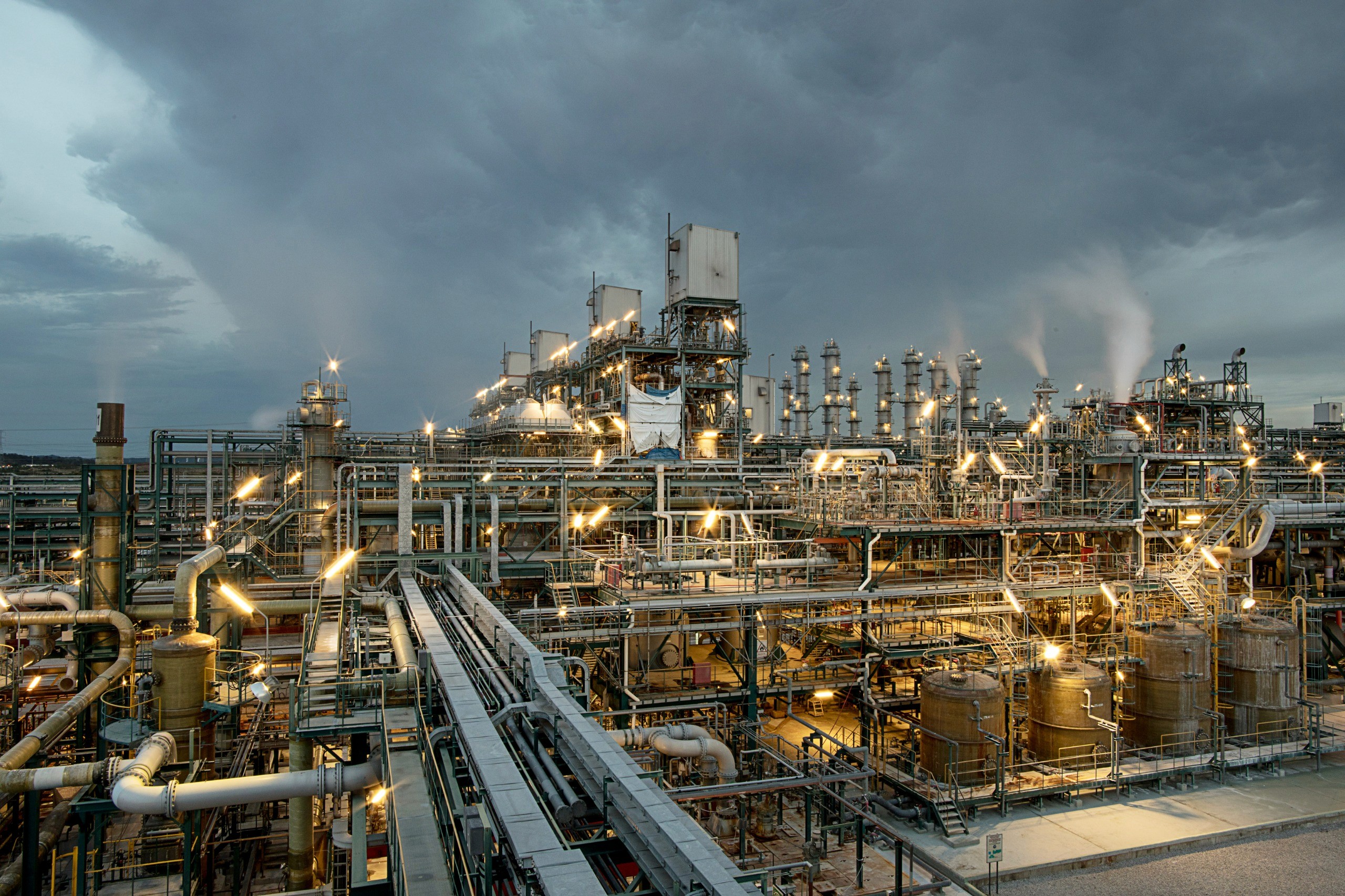
The facility will be a first for Malaysia and the Southeast Asia region. The plant to produce ultra-high purity polysilicon — a material used in the production of silicon wafers and semiconductor chips — will be undertaken via a joint venture with Japan’s Tokuyama Corporation called OCI Tokuyama Semiconductor Materials Sdn Bhd. OCI Terra Sus, which was formerly known as OCI Malaysia, is a subsidiary of South Korean conglomerate OCI Holdings Company Ltd, which is in advanced materials, renewable energy, energy solutions, and urban development. Meanwhile, Tokyo-based Tokuyama Corporation manufactures chemicals and is one of the world’s largest producers of silicon. “We see this partnership’s benefits extend beyond support for a physical infrastructure,” OCI Holding and OCI Terrasus chairman Lee Woo Hyun said in the joint statement issued by OCI TerraSus and IFC. “It is a key driver in strengthening our management systems, ESG (environmental, social, and governance) practices and long-term competitiveness as a global company. “As demand grows for semiconductors and artificial intelligence, the importance of high-purity materials will continue to increase. This cooperation with IFC is a recognition of our ESG enhancements. It reinforces our confidence in Sarawak and Malaysia as strategic partners in the global semiconductor value chain,” he added. According to previous reports out of Sarawak, the plant will be built on a 13.4 hectare site at Samalaju Industrial Park in Bintulu, next to OCI TerraSus’ existing solar-grade polysilicon plant. The plant will have an annual production capacity of 8,000 metric tonnes of semiconductor-grade polysilicon. Full commercial operations are targeted to begin in January 2029. The IFC said the plant is expected to be powered by renewable energy sources and is aimed at supporting Malaysia’s efforts to strengthen its position in the global semiconductor supply chain, while also creating skilled employment opportunities. Source: The Edge
The facility will be a first for Malaysia and the Southeast Asia region. The plant to produce ultra-high purity polysilicon — a material used in the production of silicon wafers and semiconductor chips — will be undertaken via a joint venture with Japan’s Tokuyama Corporation called OCI Tokuyama Semiconductor Materials Sdn Bhd. OCI Terra Sus, which was formerly known as OCI Malaysia, is a subsidiary of South Korean conglomerate OCI Holdings Company Ltd, which is in advanced materials, renewable energy, energy solutions, and urban development. Meanwhile, Tokyo-based Tokuyama Corporation manufactures chemicals and is one of the world’s largest producers of silicon. “We see this partnership’s benefits extend beyond support for a physical infrastructure,” OCI Holding and OCI Terrasus chairman Lee Woo Hyun said in the joint statement issued by OCI TerraSus and IFC. “It is a key driver in strengthening our management systems, ESG (environmental, social, and governance) practices and long-term competitiveness as a global company. “As demand grows for semiconductors and artificial intelligence, the importance of high-purity materials will continue to increase. This cooperation with IFC is a recognition of our ESG enhancements. It reinforces our confidence in Sarawak and Malaysia as strategic partners in the global semiconductor value chain,” he added. According to previous reports out of Sarawak, the plant will be built on a 13.4 hectare site at Samalaju Industrial Park in Bintulu, next to OCI TerraSus’ existing solar-grade polysilicon plant. The plant will have an annual production capacity of 8,000 metric tonnes of semiconductor-grade polysilicon. Full commercial operations are targeted to begin in January 2029. The IFC said the plant is expected to be powered by renewable energy sources and is aimed at supporting Malaysia’s efforts to strengthen its position in the global semiconductor supply chain, while also creating skilled employment opportunities. Source: The Edge
The facility will be a first for Malaysia and the Southeast Asia region. The plant to produce ultra-high purity polysilicon — a material used in the production of silicon wafers and semiconductor chips — will be undertaken via a joint venture with Japan’s Tokuyama Corporation called OCI Tokuyama Semiconductor Materials Sdn Bhd. OCI Terra Sus, which was formerly known as OCI Malaysia, is a subsidiary of South Korean conglomerate OCI Holdings Company Ltd, which is in advanced materials, renewable energy, energy solutions, and urban development. Meanwhile, Tokyo-based Tokuyama Corporation manufactures chemicals and is one of the world’s largest producers of silicon. “We see this partnership’s benefits extend beyond support for a physical infrastructure,” OCI Holding and OCI Terrasus chairman Lee Woo Hyun said in the joint statement issued by OCI TerraSus and IFC. “It is a key driver in strengthening our management systems, ESG (environmental, social, and governance) practices and long-term competitiveness as a global company. “As demand grows for semiconductors and artificial intelligence, the importance of high-purity materials will continue to increase. This cooperation with IFC is a recognition of our ESG enhancements. It reinforces our confidence in Sarawak and Malaysia as strategic partners in the global semiconductor value chain,” he added. According to previous reports out of Sarawak, the plant will be built on a 13.4 hectare site at Samalaju Industrial Park in Bintulu, next to OCI TerraSus’ existing solar-grade polysilicon plant. The plant will have an annual production capacity of 8,000 metric tonnes of semiconductor-grade polysilicon. Full commercial operations are targeted to begin in January 2029. The IFC said the plant is expected to be powered by renewable energy sources and is aimed at supporting Malaysia’s efforts to strengthen its position in the global semiconductor supply chain, while also creating skilled employment opportunities. Source: The Edge